Three games,
one framework.
As a developer I had early beta access to the Lens Studio multiplayer framework. During that beta I built three Connected Lens games, each one on top of the last.
See the gamesReal-time multiplayer inside Snapchat, before the framework was public.
Snake proved the stack, Hex turned it into an architecture, Mob Siege applied it at scale. All three are TypeScript Connected Lenses, with host-simulated bots so a session always has five players.
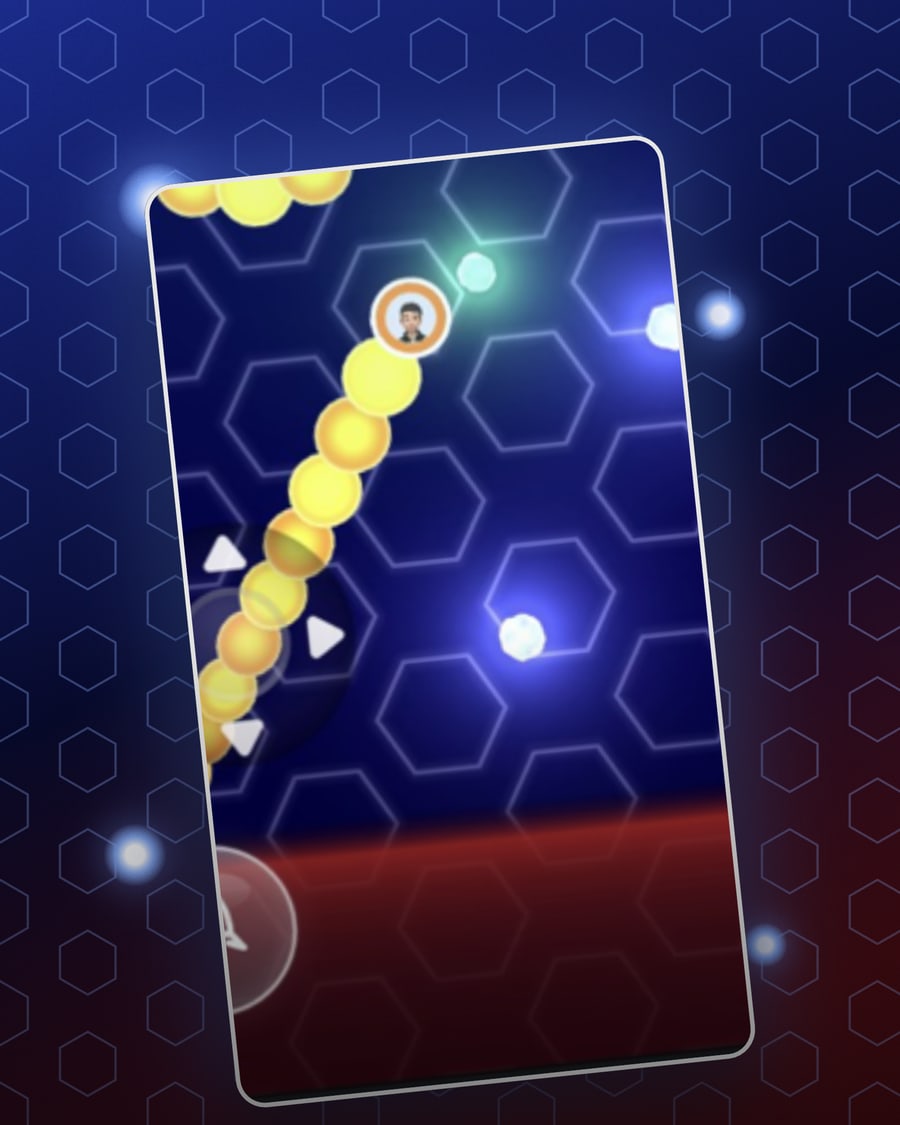
Snake
A multiplayer Slither.io built as a Connected Lens, and the project where the whole framework was proven.
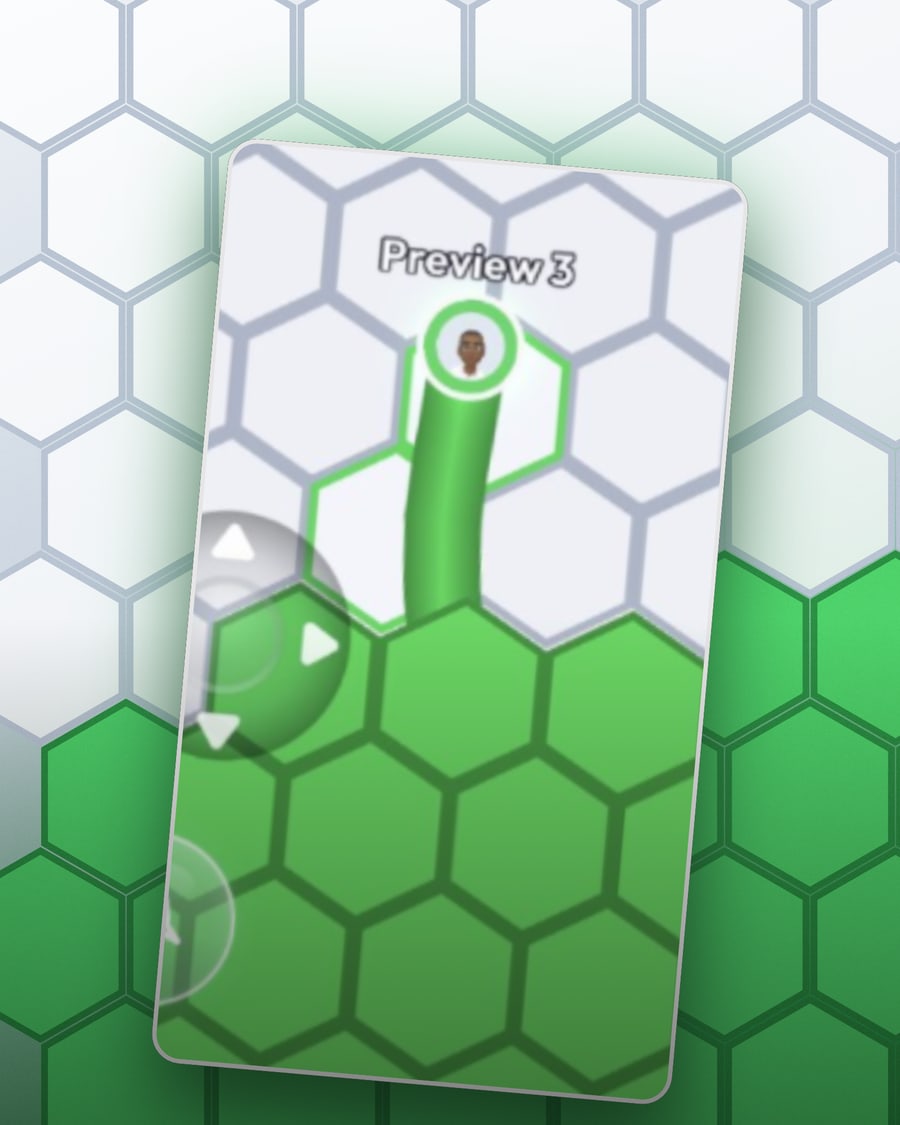
Hex
Territory capture on a hex grid, the generation that turned a working prototype into a real architecture.
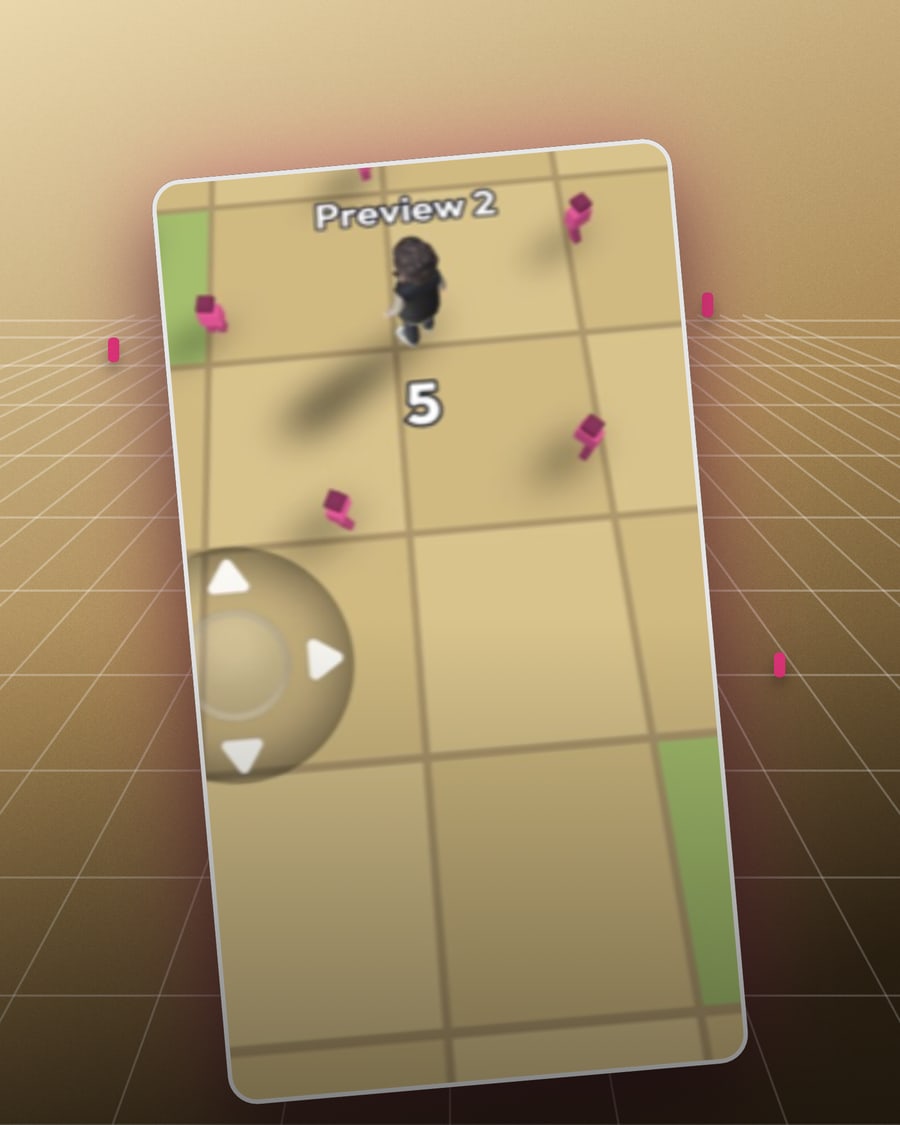
Mob Siege
Army-versus-army battles with your Bitmoji at the centre: the framework applied to a genuinely bigger game.
Every game inherited the last one's hard-won lessons
These are not three unrelated demos. Hex is a direct fork of Snake, and the two projects still share a scene id. Mob Siege's own source refers back to what it calls "the proven Hex split". The gameplay changed completely each time; the architecture compounded.
Proved the stack: Connected Lens session, networked player prefab, host-simulated bots, and the founding rule that visuals are derived locally rather than synced.
Advanced the architecture: chunked-delta sync with keepalive replace semantics, procedural mesh rendering at scale, a generated audio pipeline, and a measured performance pass.
Applied the framework at scale: armies, capturable towers, a five-mode bot AI with adaptive population, and full-state keepalive sync.